Knee deep in the big snowy

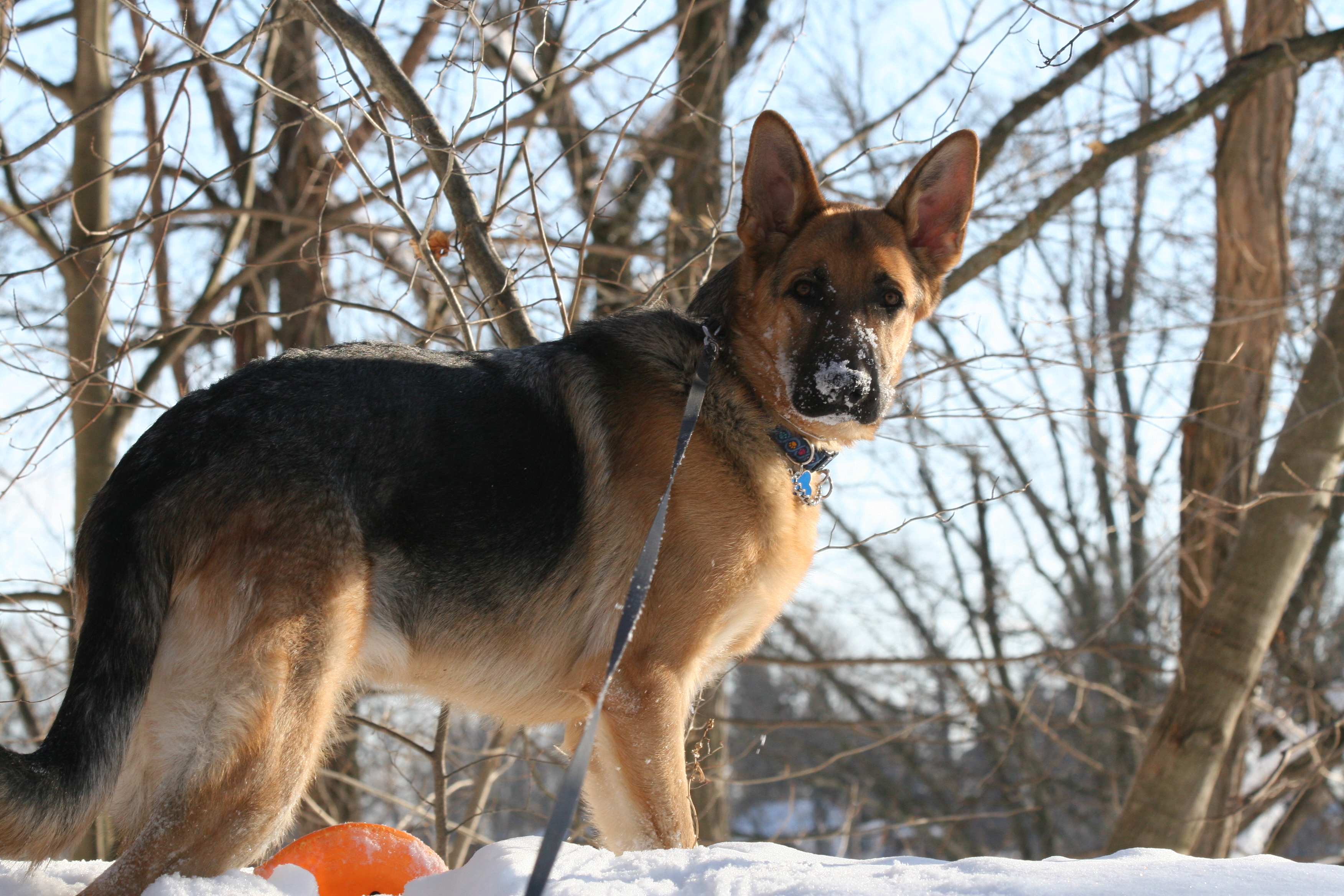
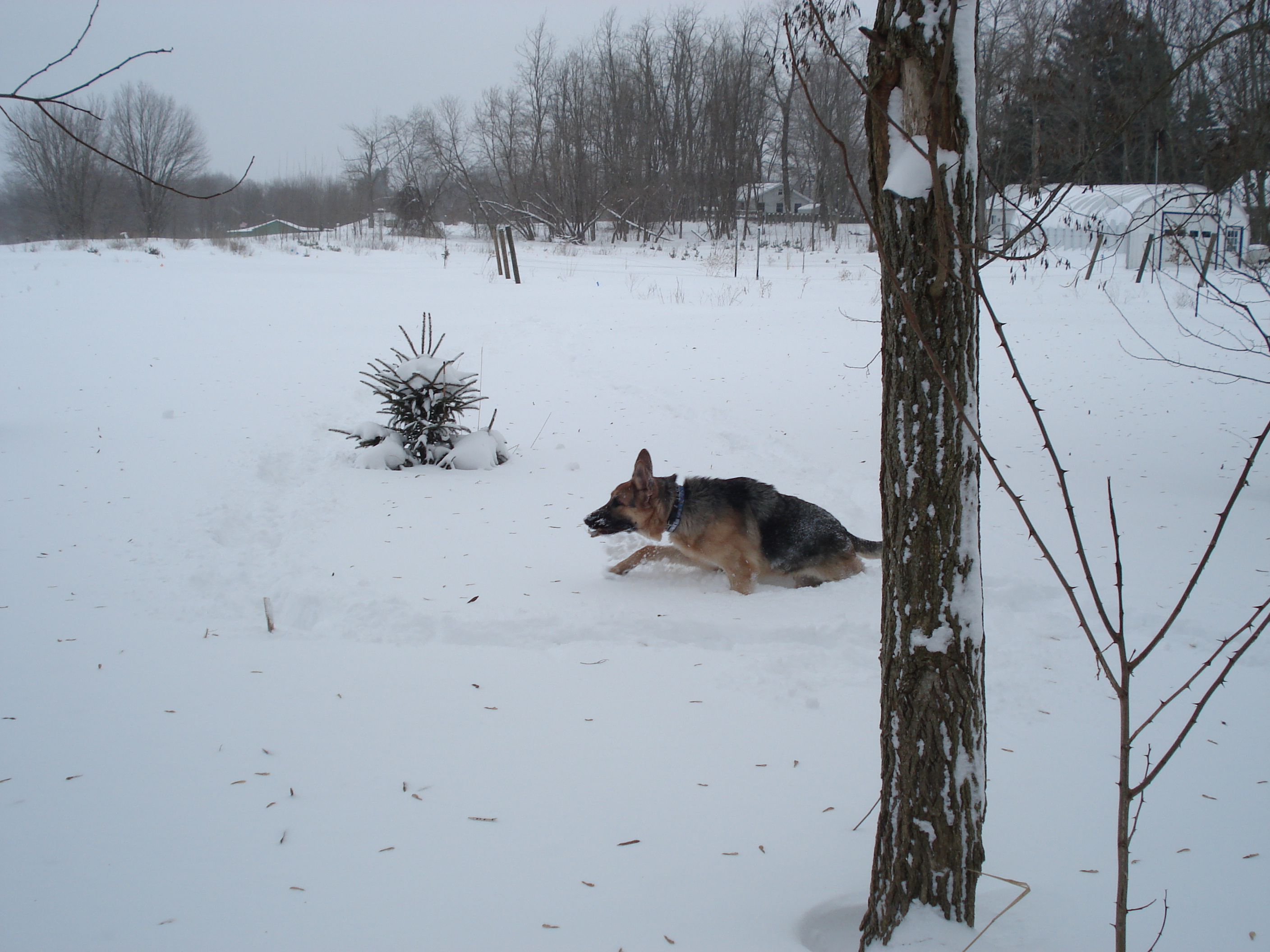
IMG_1080O.K. Sophie, you’re not a red fox and still a puppy so we’ll let you keep all the Snow-Frisbee prey you can find, bury in the icy white, re-find and gnaw until edgeless.  Snow flies as she pounces into the drifts, excavates all the way to frozen turf and frolics in the powdery depths.  Proudly she carries this prey home from her walk half-hoping that tonight’s snowfall will hide it once again.IMG_1085

Winter shadows

Four o’clock sun across the lake remains cold to the skin, but warms and  softens the glint of still more lake effect powder.   When airy flakes fall without wind they drape the landscape and blur the fox’s footprints.   They hide the broken remains of successful hunts – feathers scattered from a daylight hawk’s raid and a pair of naked rabbit shins from  the red fox’s feast.   The ghostly evidence will soon emerge from a cemetery of melting drifts and blend quickly into the browns and fresh greens of promised Spring.IMG_1079

Seeing when not looking

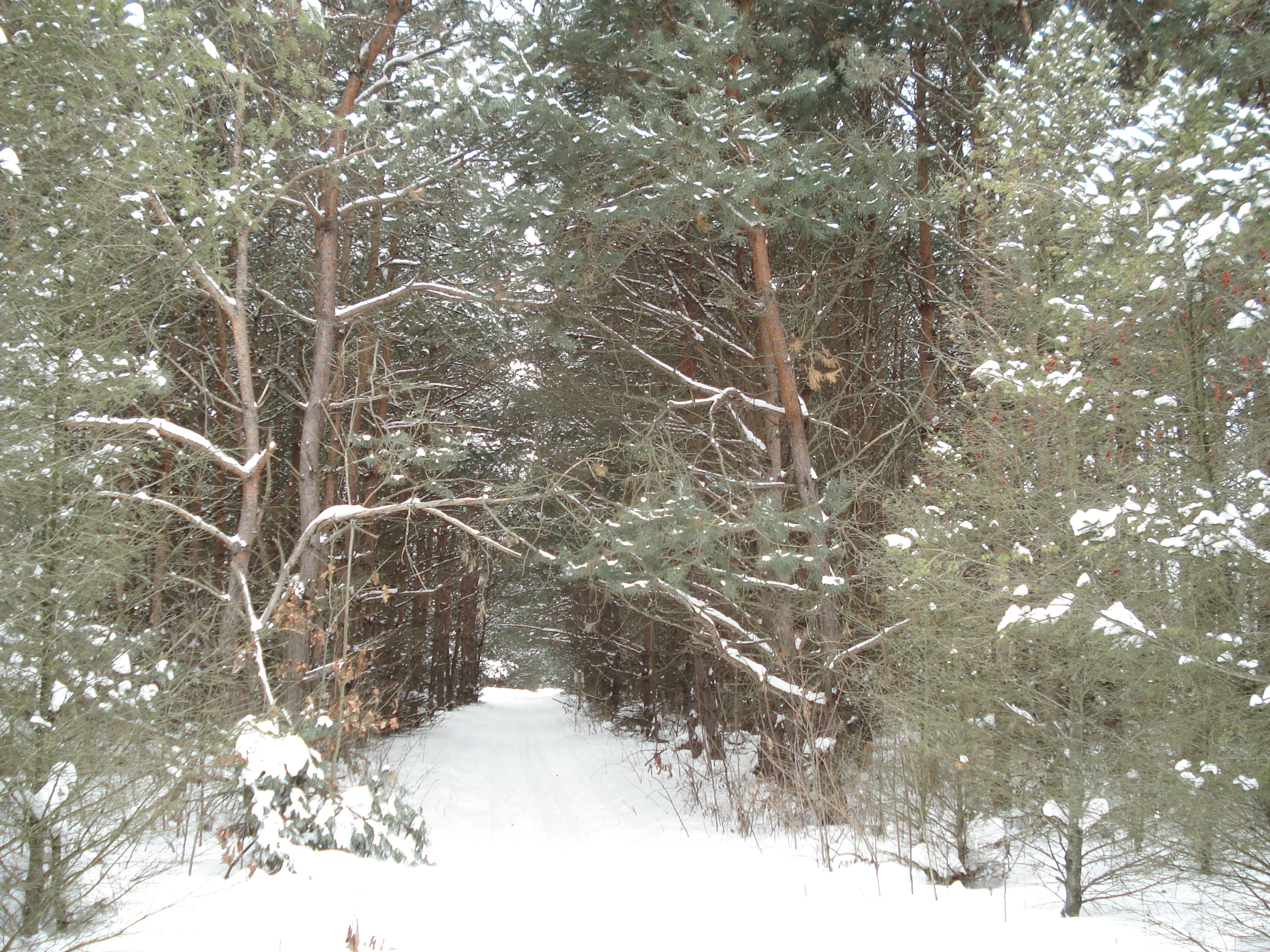
IMG_1069Wandering eyes, not looking down the road to the Monday morning workplace – a new way to begin the week after many years.  This morning the snowbanks basked in the crisp sunshine while the tallest treetops glittered with frozen fog that had not reached the ground.  Starkly white against the windless winter sky they awaited inevitable warming that would spoil the moment.  Today there were no Jays in the sumac, but in the Conservancy a woodpecker was already drumming for its breakfast.

IMG_1072

Life in the snow lane

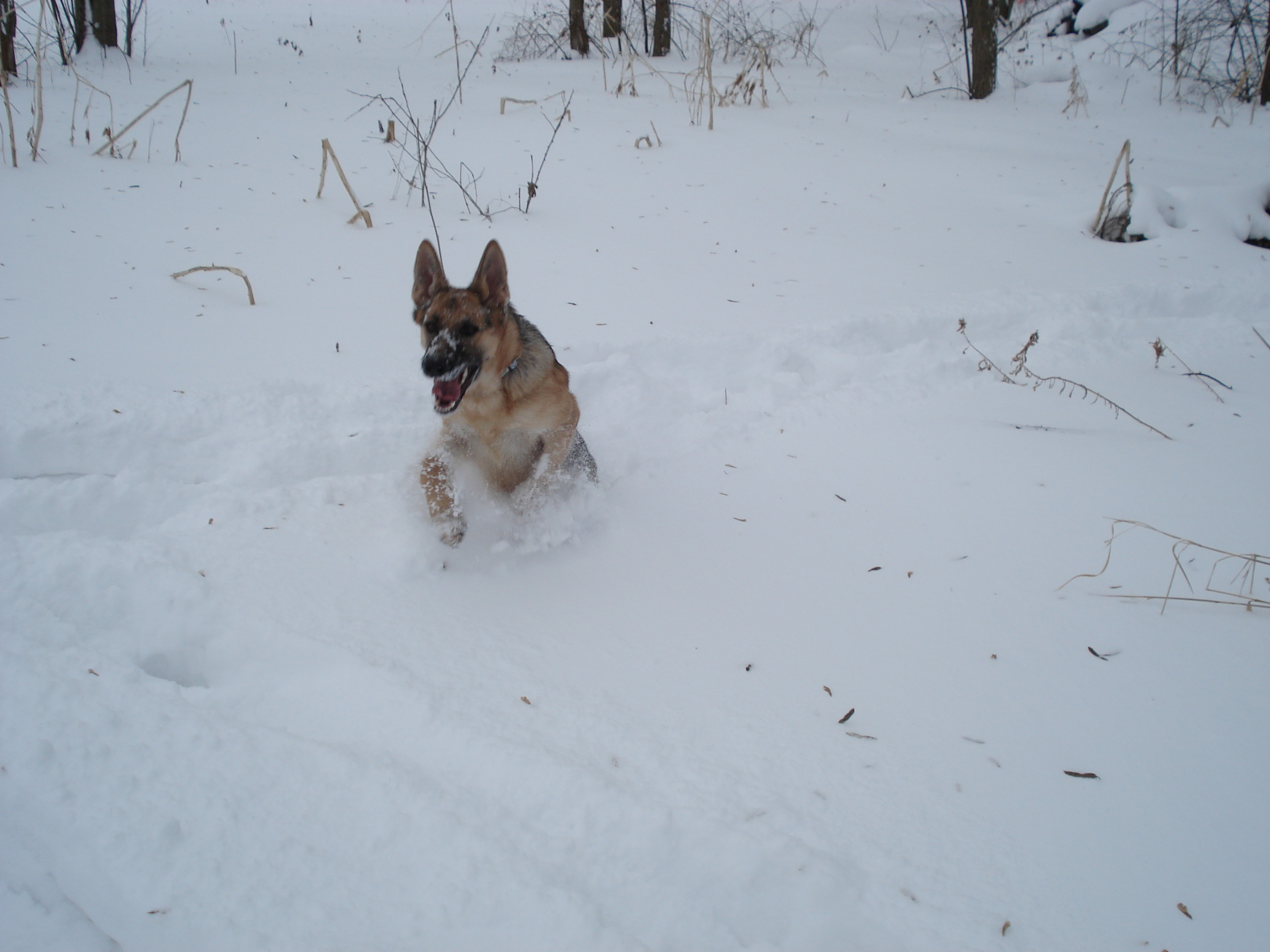
Sophie bursts from a drift

Sophie bursts from a drift

Blowing snow

Another afternoon of Blowing, drifting lake effect show as the next outbreak of arctic air approaches.  Many of the fledgling pines of the Bluecircle are safely hidden beneath the surface.  Sophie clamors and bounds over this strange new land, moving too quickly for the camera but getting a good workout all the same.  The wind sweeps the length of the lake and seems to burst over the hill, collecting and drifting snow behind trees, buildings, anything stationary.  This is snowshoe weather- even these grumpy tracks are promptly erased by the Alberta clipper.DSC00725

Better to stay off the highways on such afternoons and nights.  Soon it will be too cold for the assurance of dry pavement, and even the brown, wet slush produced here by a mixture of dune sand and salt will begin to turn to ice.  The plow operators have done an admirable job of clearing most snow drifts, but as night falls Winter will have her way again.

Interstate drivers in the “Lake Effect” zone downwind of Lake Michigan know this is the season of a relatively bare right-hand lane and to its left,  the snow lane.   Trucks, timid drivers and those with poorly equipped vehicles mostly eschew the snow lane lest they visit the median or worse.   At times only a dusting of white covers the dry pavement to their left, which disappears in the path of SUVs that choose to pass them for less obstructed road ahead.   Heavier show,  drifts, lighter traffic, or falling temperatures can make transition into the passing mode more problematic.  Risk is never far away in the depths of this season, especially in the snow lane.

New tracks, new snow, new year

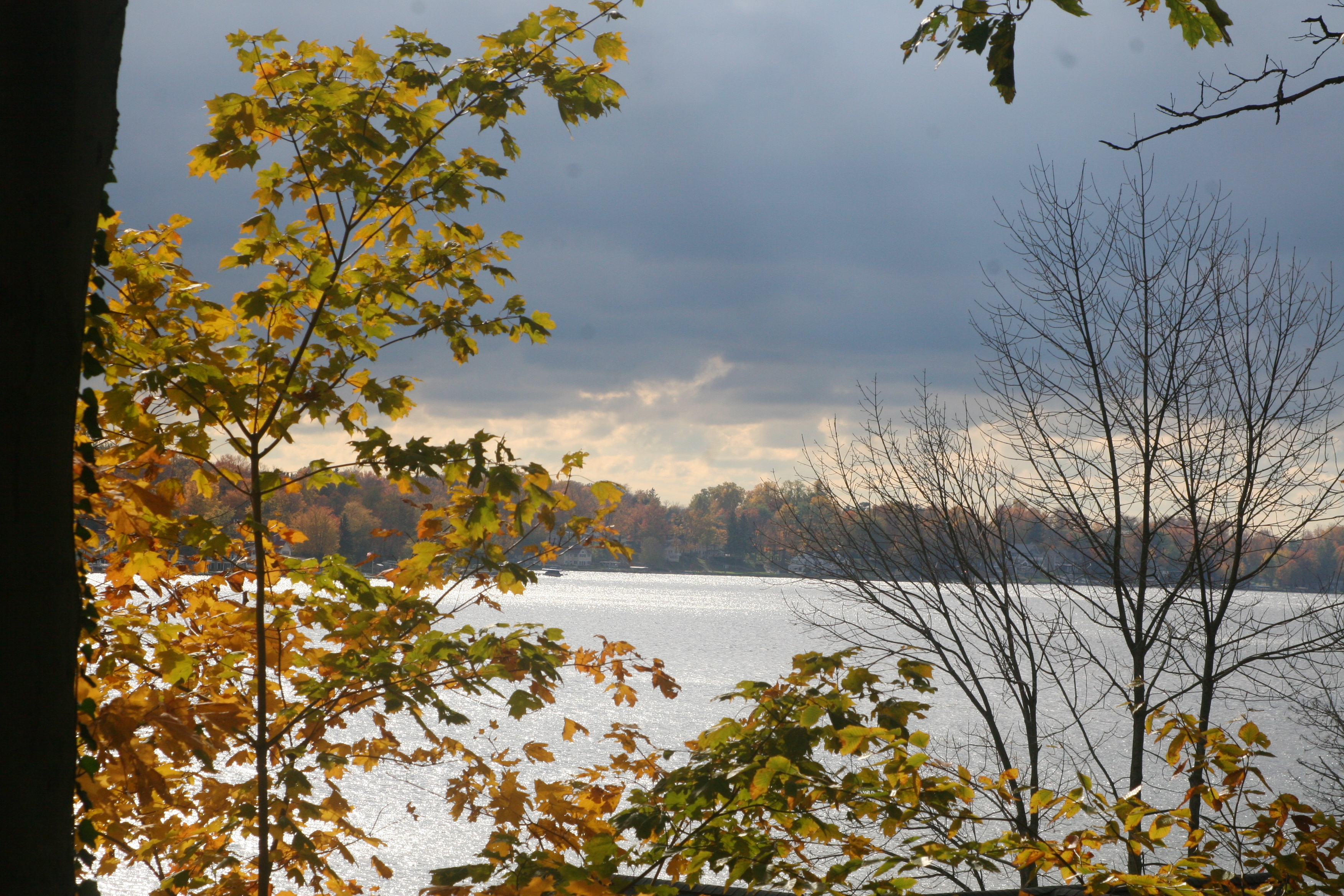
Paw Paw Lake in Fall

Paw Paw Lake in Fall

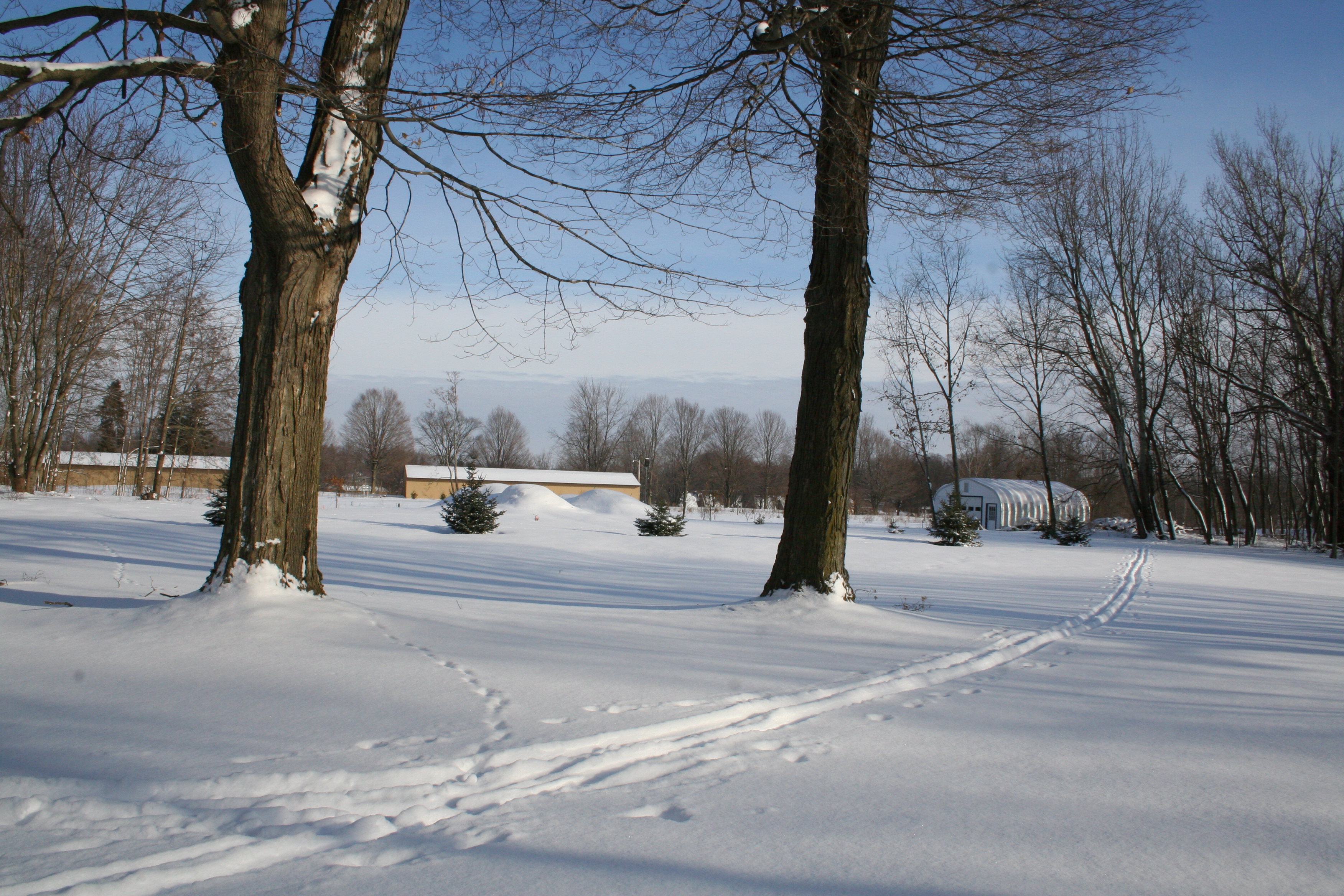
There’s been no shortage of snow, drifting and cold on the Bluecircle this winter, meaning the cross country skis regularly have a fresh path ahead.   The daily route goes east along one boundary, then downhill to the marsh and back west to the Conservancy.   Last week an unseen hawk left wingprints on takeoff from the dry lake-effect snow, and a red fox skirted the perimeter as he made his way towards the marsh.  There are few footprints on the coldest days; even the deer have taken cover.

The season’s quiet is broken at times by Sophie, an adolescent German Shepard who is the farm’s newest resident.  When she happily bounds through drifts her chest and shoulders leave oval craters in the snow that nearly hide the fact that legs and paws carried her forward.  Sophie would like more rabbits to come dance with her in the snow.  Based on the speed at which she removes stuffing and squeakers from her stuffed toys , this would not end well for the bunnies.IMG_1059

Icy clouds over Coloma

Icy clouds over Coloma

This Bluecircle chronicle lagged behind events in 2013 and left the end of Summer and passage of Autumn behind.  A renovation adding writing space to the not-so-big house overlooking the lake was designed and begun, and the work of forsaking city life for retirement was advanced.   Boxes of books, antiques, clothes and the remaining   garden tools made their way to the garage where some were destined to be discarded, but more made their way to the truck.   Things, images and words forgotten in the past were rediscovered, and sorted anew.   After Autumn’s seasonal changes that demand preparations and rituals of passage for the new year the relative quiet and peace of  long winter nights and ski trails is  welcome.

About stumping

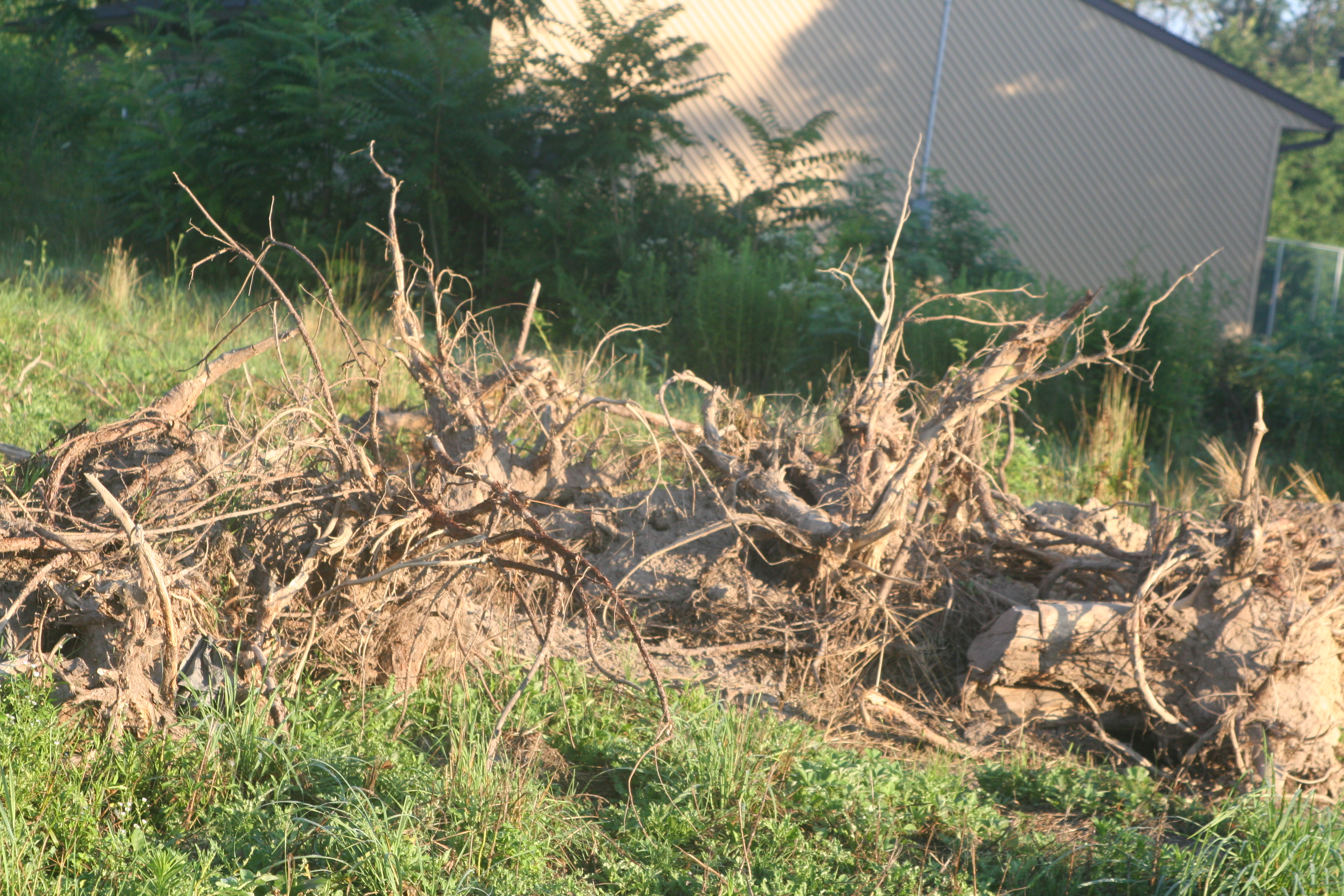
Stumping, meaning the removal of stumps, doesn’t have a special season.  It seems to fit well between planting and harvest times, especially if the targeted stumps can be located in the underbrush that cannot be mowed and grows accordingly.  The most common and least favorite stump in the Bluecircle is the Black Locust.  Although most are less than 1o inches across and some have been cut nearly flush, they are remnants of substantial groves that were “slashed and burned” 5 years ago.  In most cases life remains in these clustered stumps and only regular mowing prevents another revival of this invasive tree.

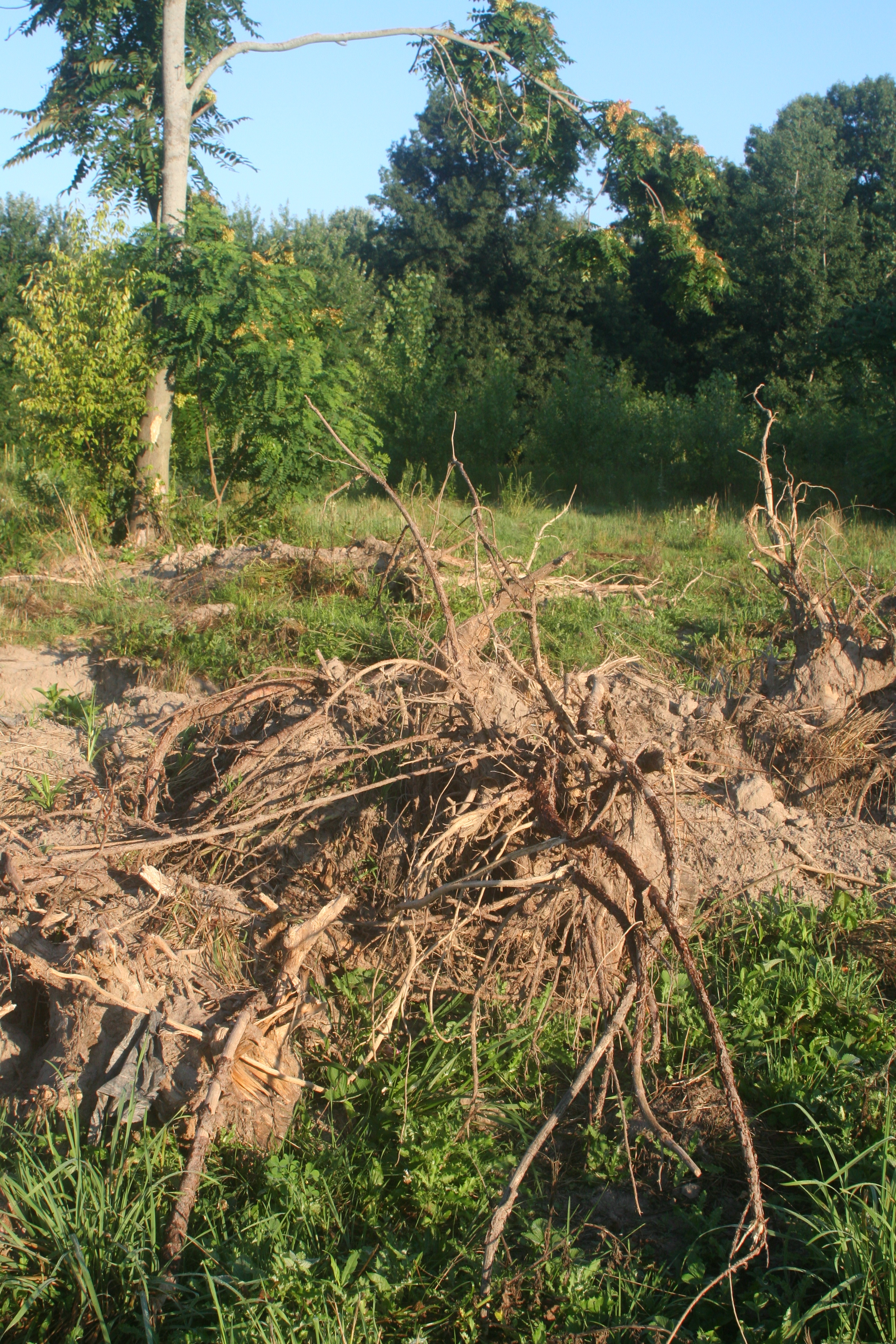
So benign neglect of these stumps to await decay and resolution won’t work.  About a year ago Charlie stumped with his Bobcat, a small track-excavator, yielding a modest pile of smaller stumps and a battlefield of roots, clumps and divots.  He didn’t offer to come back for a second afternoon, and I didn’t invite him.  Either a different approach, or heavier equipment, was in order.IMG_0989
Farming – always a challenging and even a dangerous occupation.  An Ohio neighbor of mine lost his grandfather to stumping in the 50’s, apparently when an explosive intended to lift a stump malfunctioned.  We crossed this approach off the list and rented the largest available backhoe.   This began well enough until a hydraulic line ruptured an hour into the job.  Your farmer got thoroughly spattered with fluid while trying to identify the leaking hose, but by mid-afternoon the ‘hoe was back at work.

On into the evening our neighbor Geeorge, an experienced operator from his years in utility construction, dug and pulled, and dug again at the field of stumps.  Twenty stumps were piled at day’s end, with probably that number left for another day (or more) of stumping. IMG_0987
Celebrating green in midSummer

IMG_0984This Summer the Bluecircle is washed with green.  There is impressive new growth on almost all of the pines that survived the drought of ’12, and on a few hundred Scotch pine replacements.  It is almost lost in the rapidly rising tide of ragweed, wild grape and even poison ivy – wherever it has escaped the mower.  The Japanese beetles, brown with a little green, have emerged to challenge the upwards growth of the cultivated grapes.  Ironically, these guests with no natural predators seem prefer wine grapes and roses over the wild varieties.  Overnight new leaves and blossoms were lost and it was time to break out the pesticides.

The grasses have already produced seed and now mostly subside, growing dryer by the day.  Random sunflowers seeded here and by the birds and rodents are weedlike but will evade culling if they lie within the rows of pines or infant oaks.   So far, regular rains have improved the appearance of essentially everything on the Bluecircle.

Of bonfires and ashes in Spring

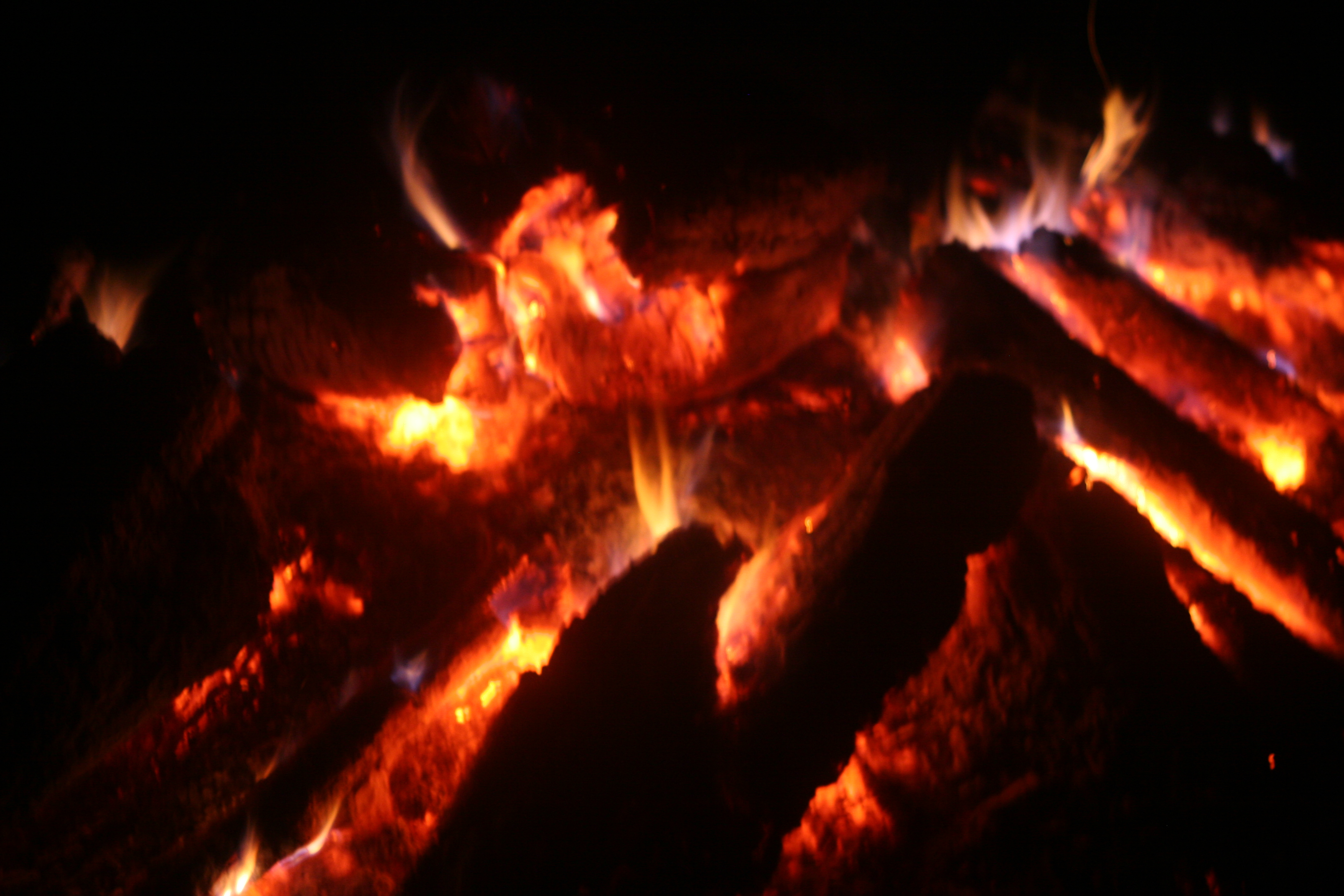
IMG_0884The great stump of a fallen Bluecircle tree (see post of   1 Jan 2012 ) was the site of a lengthy campfire this weekend.  Many years passed as this giant maple grew, and its roots heaving and raising the plane of the lawn will be evident for years to come.  With a steady southerly breeze, the stars of clear night sky and the Dipper straight overhead it would have been a perfect time of solace in most times, but not this season.  The Bluecircle lost a treasured daughter a few weeks ago and many tears, as well as rain, have marked the greening of the year.  New branches have yielded new leaves, and the grandaughters of the next generation visited to pick tulips and grow in the sun – but the smoky remembrance of a Winter of critical illness hangs in the air and on the clothes the morning after fire.  Dancing, transparent flames through day and into darkness have given way to living embers and finally ash mixing with the wind.  We will celebrate as best we can in mourning.

The frosty vine bending test

When Winter strips limbs bare and shivering the woods could pass for dead. A white blanket shrouds even the moss and blades of grass that never quite fade to grey or blacken like the piles of leaves. How then to judge the condition of fledgling grape vines first weakened by transplantation, then by drought and finally by a Kamakazie (divine wind) attack of beetles? With the last drifts gone from the Bluecircle it’s time to take stock.

A few Pinot Gris vines, like the tulip poplars felled by high winds in August, have snapped at the ground and need no further inspection. Here and there there are empty spots in the rows where the uncertainty of survival has prevailed. In contrast, precocious buds emerge in a favored row or two to inspire confidence. The practical approach turns out to be simply bending each vine in turn. Most flex in their early Spring vitality and have survived the test of year 1. Sadly, some are brittle and can only yield memories.

Melting ice on Paw Paw Lake

Image

Gulls are gathering on Paw Paw Lake to witness the passing of Winter. By afternoon there is open water on the north shore of Paw Paw Lake. The shade of the hills on the south shore shelters ice now too thin for walking. Each cold, clear March night with little wind allows refreezing, but darker cracks that reach to the south will soon free the lake for another year.
I suppose the gulls have fishing in mind and wait impatiently for more open water. They do not remain here in large numbers, possibly because seawalls bind the shoreline almost everywhere. The small areas of remaining beach soon will be scoured by ski boat wakes and there are calmer, friendlier waters nearby.

For 100 years most lakefront visitors and many property owners on the lake have hailed from Chicago.  Like the gulls they are shorebirds that nest elsewhere.  The change of seasons and Spring Break brings the first of these visitors who are essential to the lakeside economy.  Soon they will fly across the waters on skis, tubes and pontoons.  Until then the cold waters of Paw Paw will bask in the sun and slowly warm to the task of entertaining company.IMG_0940